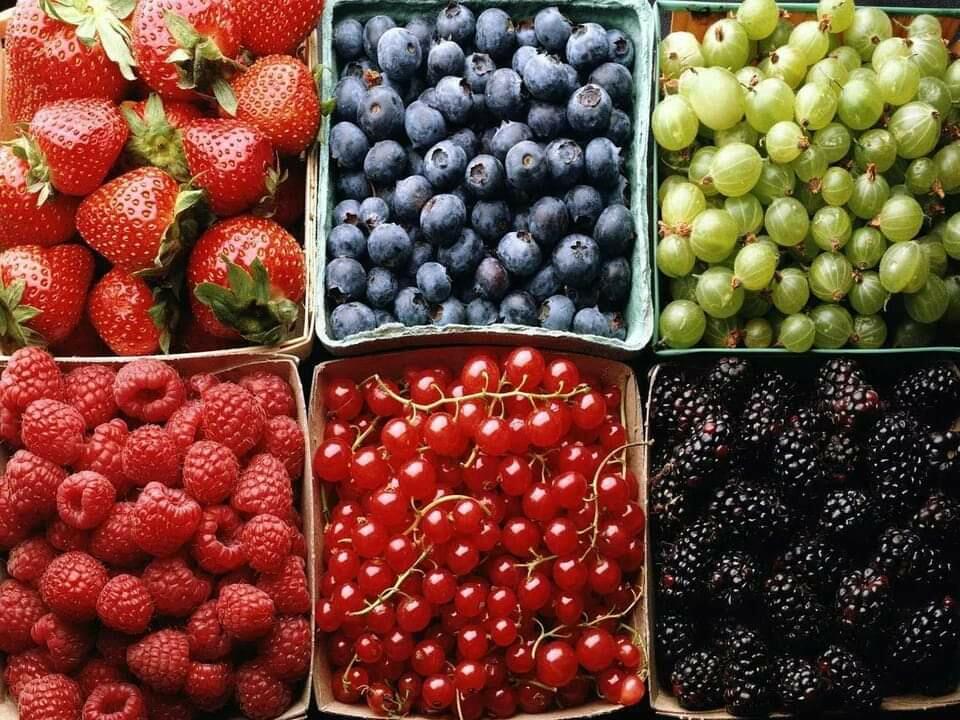
Berries, mulberry syrup, persimmon syrup, grape syrup, tea, fruits, vegetables, free-range chicken, milk, eggs, meat
100 kg
87 pts/kg
Description
Mr. Abidin is a local farmer from Masalli district, where farming has been a valued family tradition for generations. He grows a wide variety of fresh fruits, vegetables, berries, and tea, while also producing natural mulberry, persimmon, and grape syrups using traditional methods. In addition, he raises free-range chickens and provides fresh milk. Through sustainable farming practices and a deep respect for nature, Mr. Abidin is committed to producing healthy, high-quality food while supporting his local community and preserving Azerbaijan's agricultural heritage.
Quality
Mr. Abidin's fresh berries, fruits, vegetables, tea, and free-range chickens are produced with care using sustainable farming practices. His traditional mulberry, persimmon, and grape syrups are prepared from carefully selected natural ingredients, preserving their authentic taste and nutritional value. His fresh milk is produced with attention to quality and animal welfare, ensuring healthy, high-quality products for consumers.
Mr. Abidin believes that sustainability begins with caring for the land, protecting natural resources, and preserving traditional farming methods. By growing a diverse range of fruits, vegetables, berries, and tea, while producing natural syrups, fresh milk, and free-range poultry, he supports biodiversity, promotes sustainable agriculture, and helps strengthen resilient rural communities. Through responsible farming practices, he contributes to healthier ecosystems and a more sustainable future for the next generation. Mr. Abidin says: "Taking care of the land means taking care of our future. By growing natural products responsibly and preserving traditional farming methods, we can protect nature while providing healthy food for our communities."
Farmer
Mr. Abidin/ Abidin müəllim
Masalli district/ Masallı rayonu
This product contributes to carbon sequestration and sustainable land use. Estimated 87 Impact Points per kg of product.